Trade Ledger.
Designing clarity and trust into an automated lending platform.
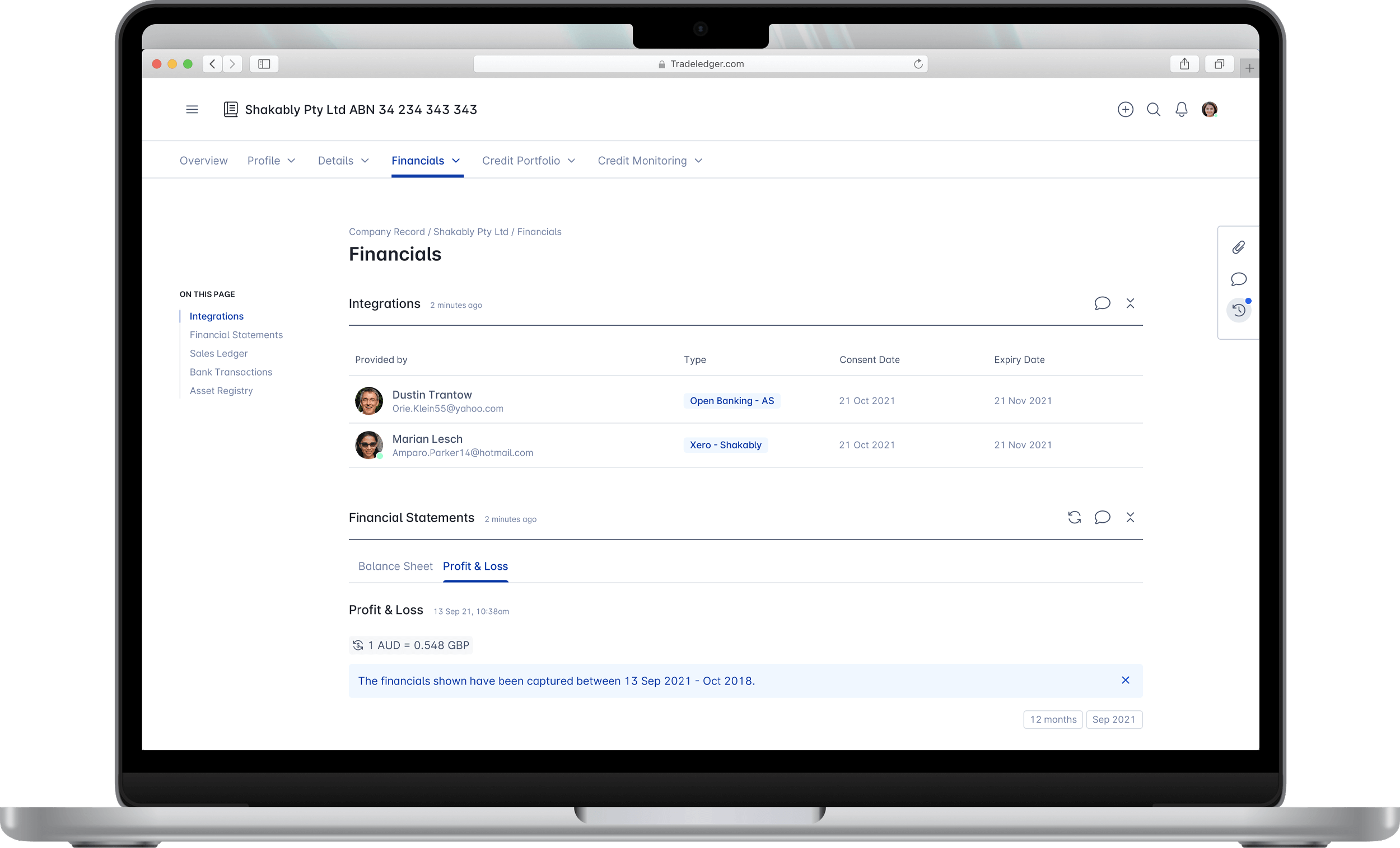
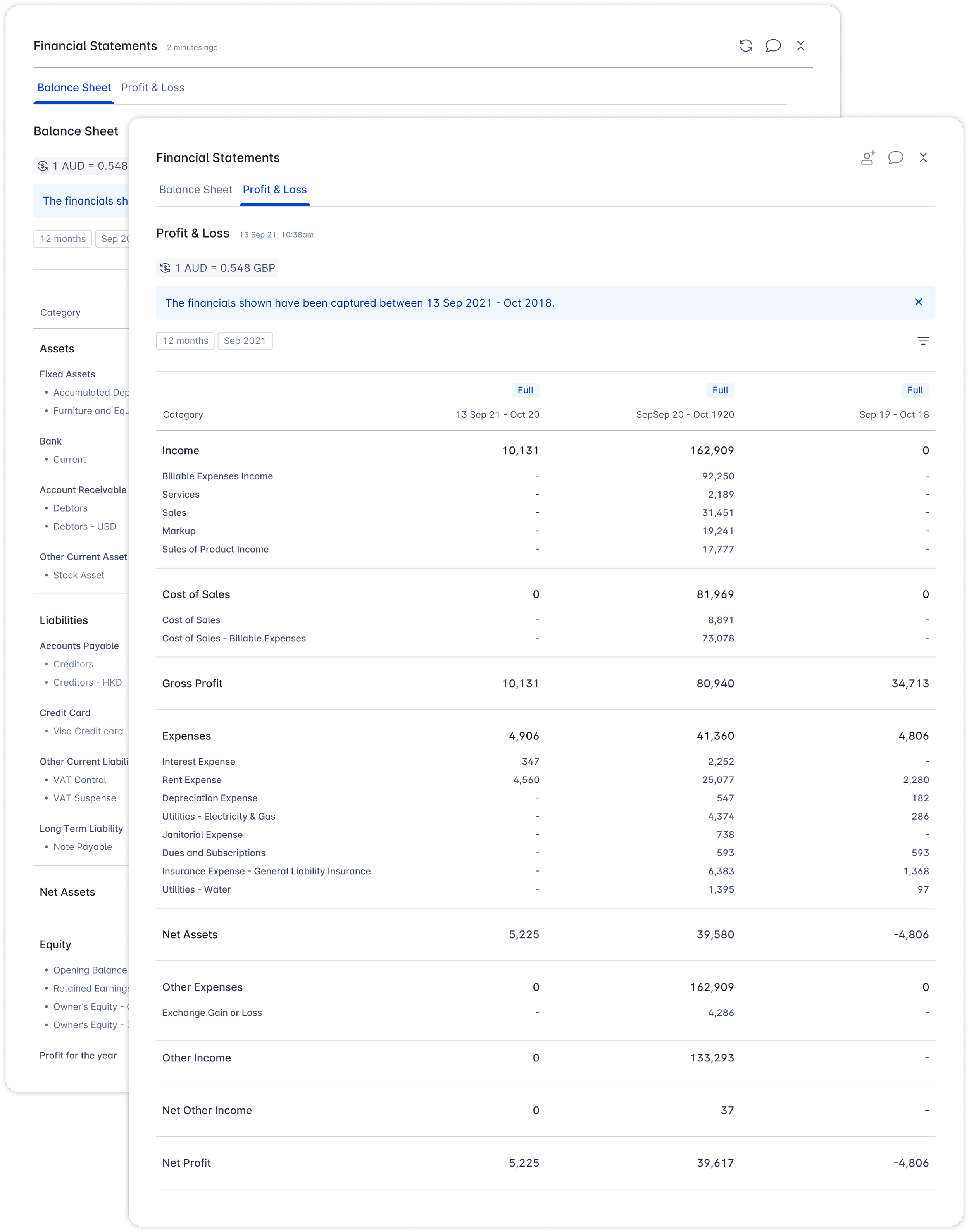
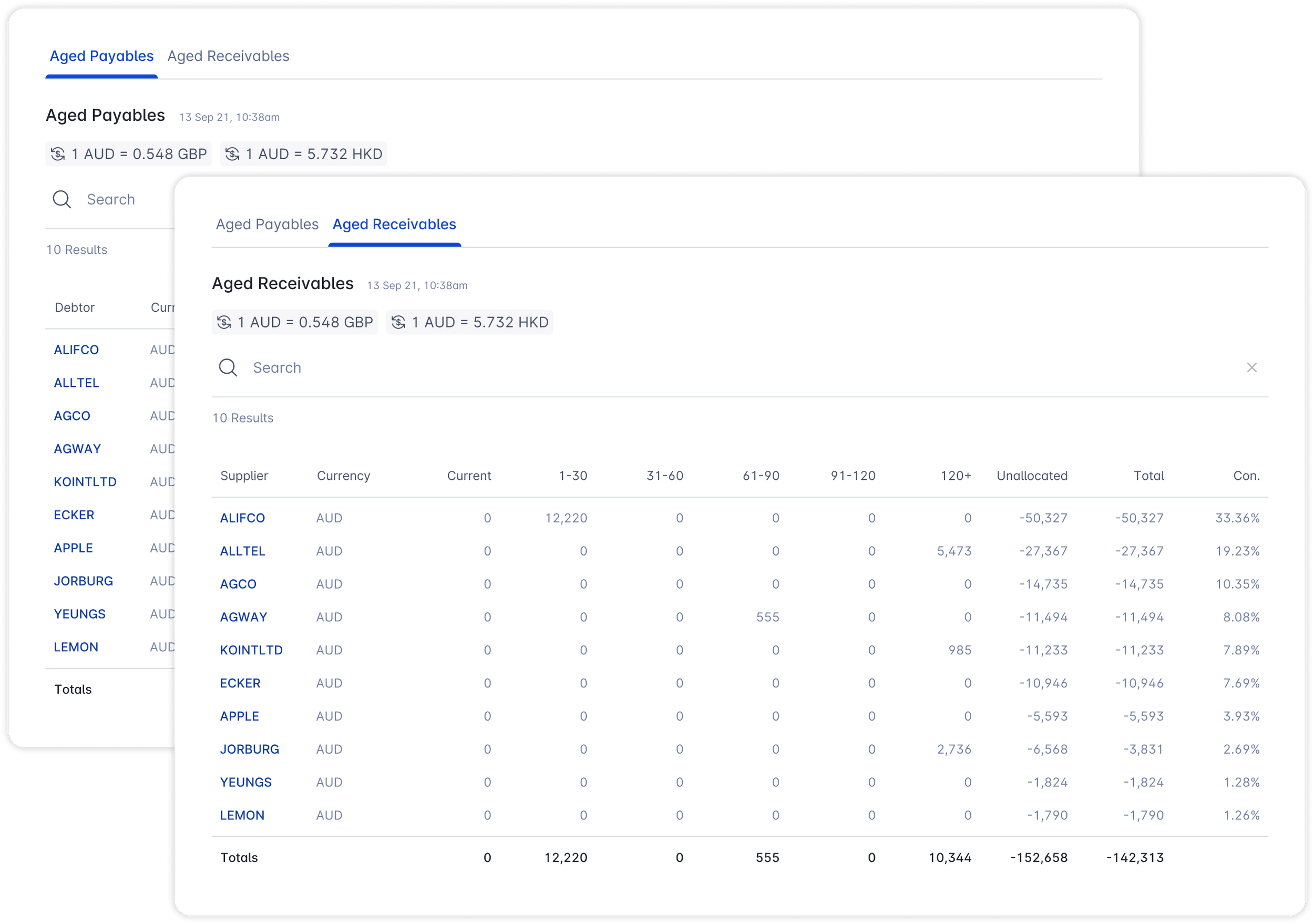
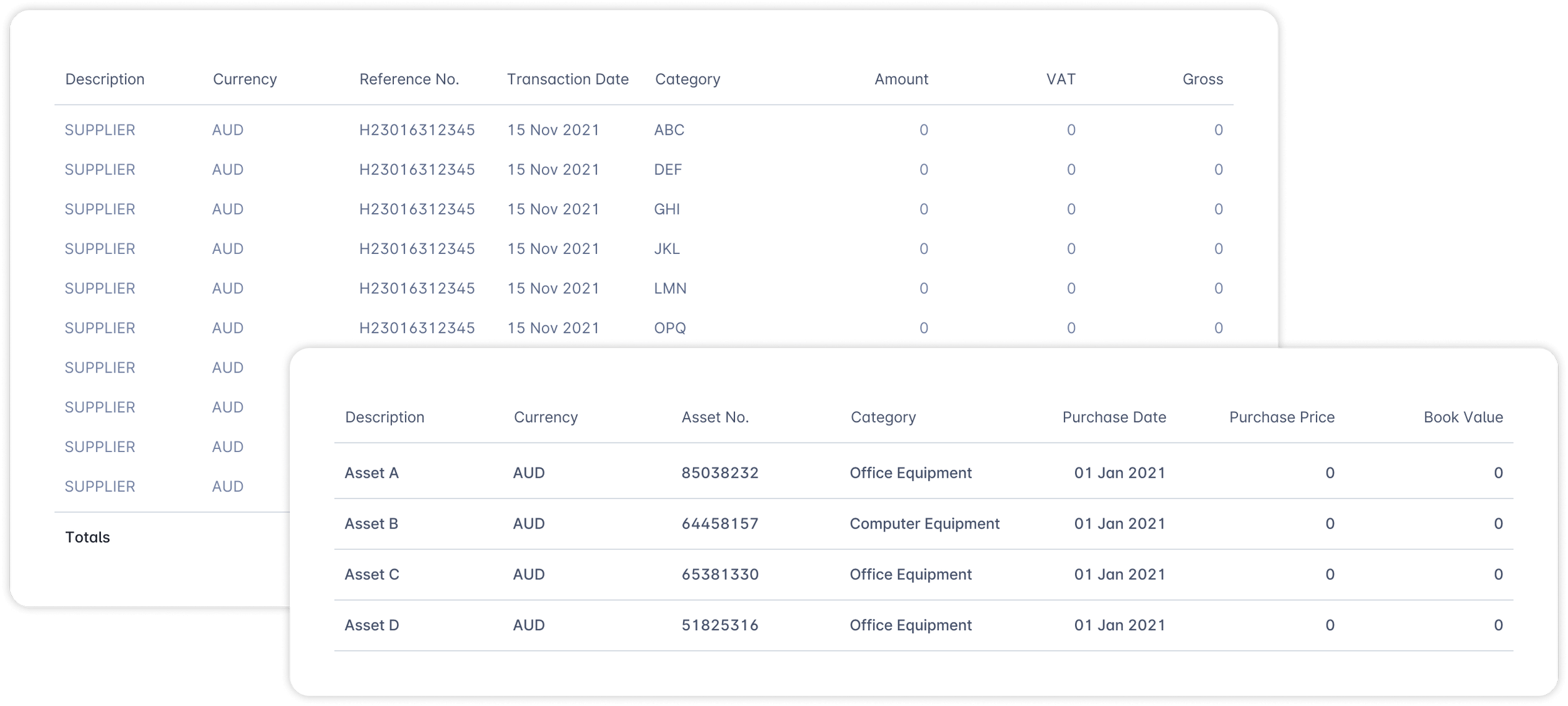
Trade Ledger builds lending technology designed to simplify and automate complex lending processes. It reduces manual effort in credit assessment by ingesting data, applying policy and risk logic, and structuring outcomes within the system itself.
As automation increased across data ingestion, credit assessment, and lending workflows, the core design challenge shifted. It was no longer about adding capability, but about maintaining predictability, trust, and clarity at the system level.
As the platform scaled across products, markets, and teams, multiple squads were delivering new products, rules, and decision logic at pace. Without a clear experience model holding everything together, there was a real risk that automated behaviour could fragment over time, making it harder to reason about, even if the underlying logic remained sound.
My role focused on defining a future-state experience and design system to absorb this growing platform complexity, ensuring automation remained consistent, understandable, and trustworthy as the product scaled.
Context and mandate
I joined Trade Ledger as a senior design leader during a period of rapid growth. The organisation was expanding its lending products, scaling teams, and increasing automation across data ingestion, credit assessment, and lending workflows.
The mandate was to bring cohesion to that growth. That meant defining a future-state experience vision that teams could align to, building and scaling a design system that enabled speed without fragmentation, and providing ongoing oversight as solutions emerged from multiple squads.
This was not about redesigning individual screens. It was about maintaining a clear product intent, ensuring automated behaviour remained consistent and understandable, and protecting simplicity as more decision-making moved into the system.
Scope and accountability
My responsibilities spanned strategy, system design, and execution.
I led the definition and rollout of Trade Ledger’s design system and future-state experience model, working closely with product, engineering, and design leads across the organisation. While individual squads owned day-to-day delivery, my role was to set experience principles, review and stress-test proposed solutions, and intervene where inconsistency or unnecessary complexity began to appear.
I stayed hands-on where it materially improved outcomes. Sometimes that meant pushing on craft and detail to ensure clarity. Other times it meant prioritising momentum and helping teams move forward quickly. Balancing vision with pragmatism and knowing when to push versus when to step back was central to how I approached the role.
The product problem
Trade Ledger’s purpose is to reduce manual judgment in lending by automating data ingestion, assessment, and workflow decisions wherever possible. As the platform scaled, the challenge was ensuring this intent remained intact as new products, policies, and risk logic were introduced.
The risk was not that users would be overwhelmed with information. It was that automation could become harder to reason about if experience patterns and system behaviour drifted over time. Even small inconsistencies in how automated outcomes were presented or explained could undermine trust, particularly in high-stakes lending contexts.
In this environment, confidence comes from predictability. Users need to know the system is behaving consistently and in line with expectations, especially when much of the decision-making happens automatically. My focus was on protecting that clarity, ensuring complexity was handled within the system rather than pushed onto the user.
Design system as product infrastructure
The design system was treated as product infrastructure rather than a visual asset.
It encoded decisions about hierarchy, interaction patterns, and system behaviour so automated complexity could be handled consistently inside the platform. This allowed teams to introduce new lending products and decision logic without reintroducing variation or ambiguity in how the system behaved.
By making these decisions explicit and reusable, the system reduced rework, prevented drift, and allowed delivery teams to focus on domain-specific problems while protecting a clear, predictable experience for users.
The goal was straightforward, but demanding in practice. Enable teams to move faster, while keeping the product simple, trustworthy, and easy to reason about.
What I was optimising for
Across the work, I was consistently optimising for simplicity at scale rather than polish in isolation.
That meant prioritising predictable system behaviour, trusted automation, and reducing the cognitive effort required to understand how automated decisions were reached. I care deeply about craft, but I’m equally conscious of when refinement genuinely serves the problem and when it risks becoming noise.
Knowing when to push for quality and when to prioritise speed is part of designing effective systems, and part of what I enjoy most about working on complex, high-trust products.
Outcomes
The work resulted in a clear, shared vision of the future-state experience that teams could align with as the platform continued to evolve. The design system provided a scalable foundation that supported faster delivery with less rework, while maintaining consistency as new automated capabilities were introduced.
It also strengthened alignment across product, design, and engineering, helping Trade Ledger scale its automation strategy without sacrificing clarity, confidence, or focus in the experience.
Reflection
This work reinforced something I’ve seen repeatedly in complex products. As automation increases, experience design becomes more important, not less. The hardest challenges are rarely about individual features. They’re about maintaining intent over time, designing systems people can trust, and ensuring automation genuinely reduces effort rather than obscuring understanding.
That intersection of strategy, craft, and practical execution is where I do my best work and get the most satisfaction as a designer.
“Jon has a wealth of experience in building and scaling design systems, which gave our team the foundations to move faster and with more consistency. What I valued most was his ability to balance pragmatism with vision. He knows when to push for craft and when to focus on speed.”
— Former Director of Product Management, Trade Ledger